Category Archives: Media

Reporter’s Dilemma: Naming Owners of Tainted Water Wells

Zenith City Weekly
Zenith, an alternative paper in Duluth, Minnesota, faced an ethical dilemma reporting on water quality.

By Casey Bukro

Ethics is not only a matter of what a journalist should do, but also what she should not.

That was the dilemma facing Jennifer Martin-Romme, co-owner with her husband Taylor of the Zenith News in Duluth, Minnesota.

Back in 2012, a trusted source leaked a report to Martin-Romme showing that the drinking water wells of eight families in northern St. Louis county were tainted with manganese, a chemical that in high concentrations potentially could cause nerve and brain damage, especially in children.

“It seems almost impossible to publicize this information without identifying the affected individuals,” Martin-Romme said when she called Ethics AdviceLine for Journalists for guidance. “Even if they weren’t named, this pollution is fairly contained geographically in a low-population rural area. It would be easy to identify them and such a story is essentially branding them as at-risk for mental deficiencies or retardation. The negative impact that could have on their lives is obvious and enormous. What do I do? Help!”

Today, lead in the Flint, Michigan water supply has made water safety a national concern. This follow-up story reports the outcome of her dilemma, and whether the call to AdviceLine was helpful. Since it started taking calls from journalists in 2001, AdviceLine has handled more than 900 inquiries. Periodically, we contact journalists who called us to learn the rest of the story.

Continue reading Reporter’s Dilemma: Naming Owners of Tainted Water Wells
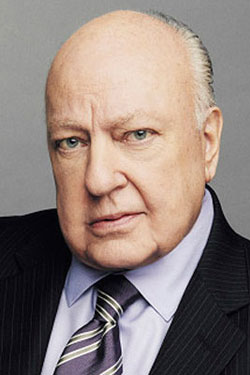
Ailes’ Legacy Lingers: Truth and Reconciliation at Fox News

By Casey Bukro

Television bosses normally like stories involving powerful men, beautiful women, sex, intrigue and big money. But the Roger Ailes story hits too close to home.

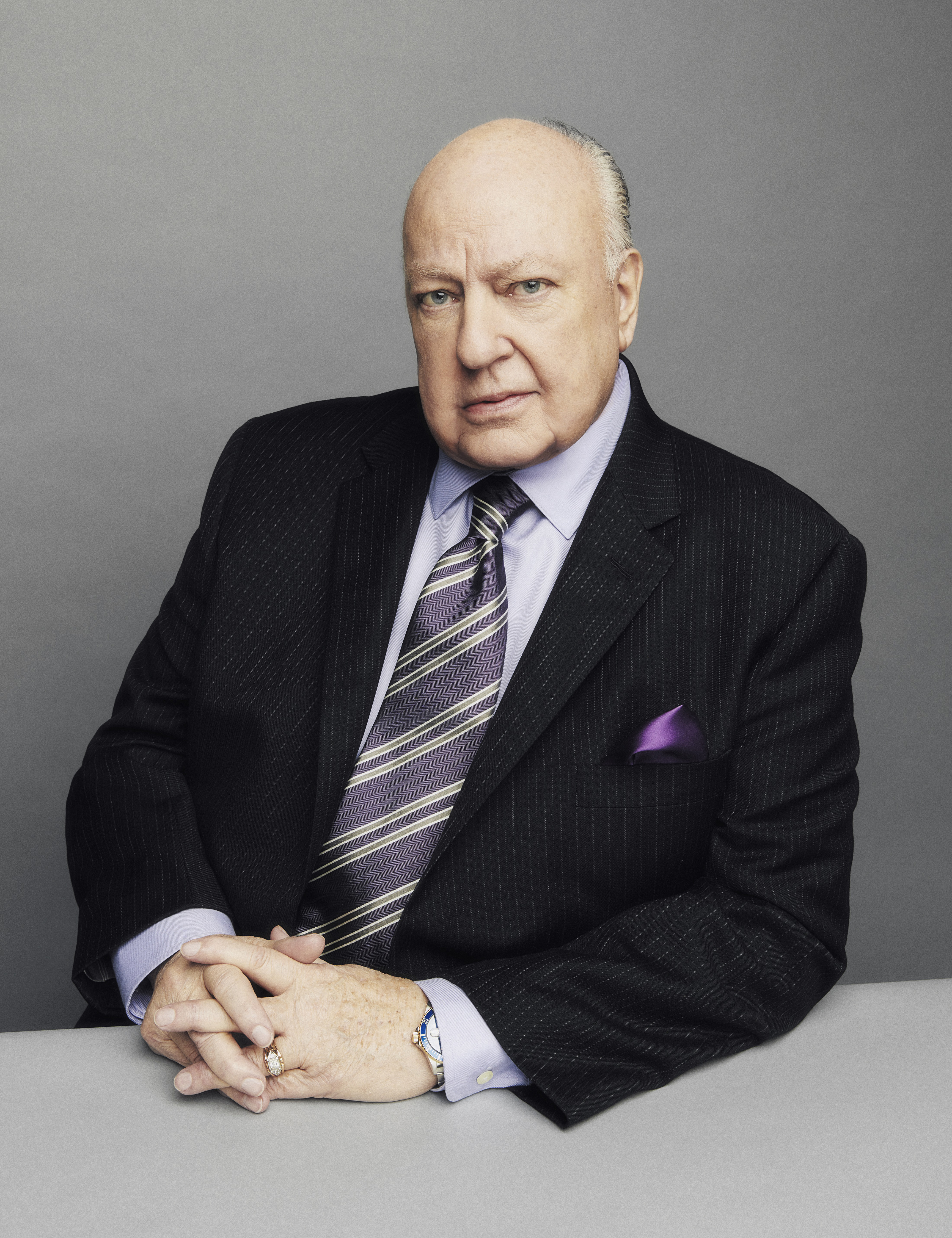
Roger Ailes
Roger Ailes

The longtime chairman of Fox News resigned in a sex scandal while Fox News parent company 21st Century Fox investigated accusations of sexual harassment and intimidation.

Ailes was sued by former Fox News host Gretchen Carlson for sexual harassment. That triggered more allegations against him, from both named and anonymous sources.

Now add questions about Ailes’ use of company funds “to hire consultants, political operatives and private detectives who reported only to him,” according to a New York magazine report, as part of a campaign to discredit Ailes’ personal and political enemies.

“Highly placed sources” tell Gabriel Sherman that in 2011 Ailes established a “Black Room” to conduct public relations and surveillance campaigns against people he targeted, including journalists. The article asks how Ailes was able to spend millions of dollars quietly to settle sexual harassment claims.

In reporting on the magazine’s allegations, CNN Money suggests the operation could violate of rules against corporate executives using company funds for personal reasons. “If true,” reported Dylan Byers, “such actions could make 21st Century Fox liable to its shareholders.”

Shelley Ross
Shelley Ross

Powerful men leave big trails. Vanity Fair contends that unnamed staffers still fear reprisal if they discuss Ailes.

Ailes cut a wider swath than anyone realized and now could become a poster boy for fixing what has been described as deep-seated sexual harassment habits at Fox, and maybe the rest of the television industry.

Shelley Ross, described as once one of the most powerful women in TV news, offers her “big idea” for addressing sexual harassment in the workplace.

It’s patterned after the South African Truth and Reconciliation Commission. After the official end of apartheid in 1994, victims of brutality were invited to speak publicly about their experiences. Attackers were invited to testify and ask for amnesty from civil and criminal prosecution.

Ross wrote about her idea in The Daily Beast “after watching, dodging and experiencing sexual harassment for 30 years.”

Too bad she did not speak up while in power.

Continue reading Ailes’ Legacy Lingers: Truth and Reconciliation at Fox News

Roger Ailes’ Eye for News: Lawsuit Draws Look at Fox News Legacy

Roger Ailes
Fox News boss Roger Ailes resigns after he’s accused of sexual harassment. (Wesley Mann/Fox News photo)

By Casey Bukro

As chairman of Fox News, Roger Ailes peddled sex appeal.

News anchors often were chosen for their looks: young, pretty, blonde, leggy and shapely. That’s the way Ailes liked them. A lot. Maybe too much.

It’s a formula that led to his downfall, apparently because he could not resist temptation or the raptures of the casting couch. Ailes resigned amid sexual harassment allegations after a 20-year reign as head of Fox News, where he devised a highly successful broadcast formula of vitriolic partisan right-wing commentary.

Ailes’s own alleged comments are part of a lawsuit against him by former Fox News Anchor Gretchen Carlson.

“I think you and I should have had a sexual relationship a long time ago,” Ailes supposedly “>told Carlson. Carlson charges that Ailes sabotaged her career in retaliation for rebuffing his sexual advances and complaining about a hostile work environment. In a statement, Ailes contended her contract was not renewed due to low ratings and her lawsuit was her retaliation for the dismissal. Her lawyer claims the suit was considered even before the firing.

Carlson’s lawsuit prompted 25 women to come forward with what they describe as similar harassment claims against Ailes over five decades.

The Washington Post reported that interviews with four of the women “portray the 76-year-old television powerhouse as a man who could be routinely crude and inappropriate, ogling young women, commenting about their breasts and legs, and fostering a macho, insensitive culture.” One women accused Ailes of groping her. Ailes’s lawyer said the accusations are false.

Continue reading Roger Ailes’ Eye for News: Lawsuit Draws Look at Fox News Legacy

Media Rules of Conduct: A Call to Arms

By Casey Bukro

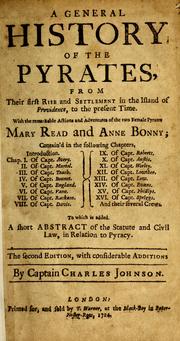
An 18th-century Pirate Code of Conduct was stern but direct: Anyone found stealing from another crewman would have his ears and nose slit open and be set ashore.

A general history of the pyrates
Honor among thieves: Pirates and their captains agreed on codes of conduct. (Boston Public Library)

The penalty for bringing a woman aboard in disguise was death.

Anyone being lazy or failing to clean his weapons would lose his share of booty.

The punishment for hitting a man was 40 lashes on the bare back.

These are among the rules Bartholomew “Black Bart” Roberts and his crews are said to have adopted in 1722 to keep the peace among his bloodthirsty men and reward good conduct. There are many variations on buccaneer codes, however.

Even 300 years later, rewarding or defining good conduct is the purpose of codes of journalism ethics that continue to emerge.

A new Radio Television Digital News Association Canada code takes effect July 1, replacing a version adopted in 2011.

“This Code of Ethics is based on more than a century of journalistic experience and represents our membership’s guiding principles,” states a preamble that welcomes adoption by all practicing journalists.

Continue reading Media Rules of Conduct: A Call to Arms

Rules Emerge for Writing About Suicides

Raveena Aulakh
Toronto Star Reporter Raveena Aulakh died by suicide. Toronto Star photo.

By Casey Bukro

Writing about suicides can make journalists squirm.

In part, it’s because the topic long was considered taboo or loaded with restrictions on the proper course of action. When I was a reporter and editor at the Chicago Tribune, one of the fears was that a story about someone who took his own life might trigger suicidal thoughts in others. A stigma was attached to suicides and it seemed best to avoid being too intrusive for the sake of the family.

These memories flooded back upon reading about the contortions that the Toronto Star staff suffered while trying to honor instructions left by Star reporter Raveena Aulakh, before she ended her life. She was the paper’s global environment reporter.

“Please don’t talk about me. Please don’t let anyone write about me,” she wrote, not even an obituary in the Star. Her family expressed similar wishes and the Star wanted to respect them.

But the Star could not. An investigation revealed that Aulakh was distraught over a broken relationship with her senior editor. She also revealed in emails that the senior editor was having a relationship with the Star’s female managing editor. Both lost their newsroom jobs. One left the newspaper.

Continue reading Rules Emerge for Writing About Suicides

British Journalists Chastened on Ethics

newsofworld

Ethics violations close Britain’s News of the World. itv.com photo.

“Let not England forget her precedence of teaching nations how to live.” —Milton

By Casey Bukro

British journalists are more likely to pay sources for information than American journalists, but journalists in both countries agree that providing reliable information is their chief goal.

These are among the conclusions of a survey of 700 of the United Kingdom’s almost 64,000 professional journalists, by the Reuters Institute for the Study of Journalism at the University of Oxford.

On ethics and standards, said the report:

“There is a close correspondence between U.K. journalists’ views on ethics and their professional codes of practice. However, they are more likely to find justification for ethically contentious practices, such as paying sources, than journalists in the United States.

“Rank and file journalists in the U.K. push ethical boundaries more than their managers, and 25 percent of all journalists believe it is justified, on occasion, to publish unverified information.”

As for misrepresentation and subterfuge, U.K. journalists expressed mixed views about whether claiming to be somebody else is acceptable. Fifty-four percent believe it is never justified and 46 percent think it is justified on occasion. U.S. journalists, according to the study, are more disapproving, with only 7 percent agreeing that misrepresentation is justified on occasion.

Continue reading British Journalists Chastened on Ethics

The Peeping Tom Chronicles: Gay Talese’s New Journalism Tease

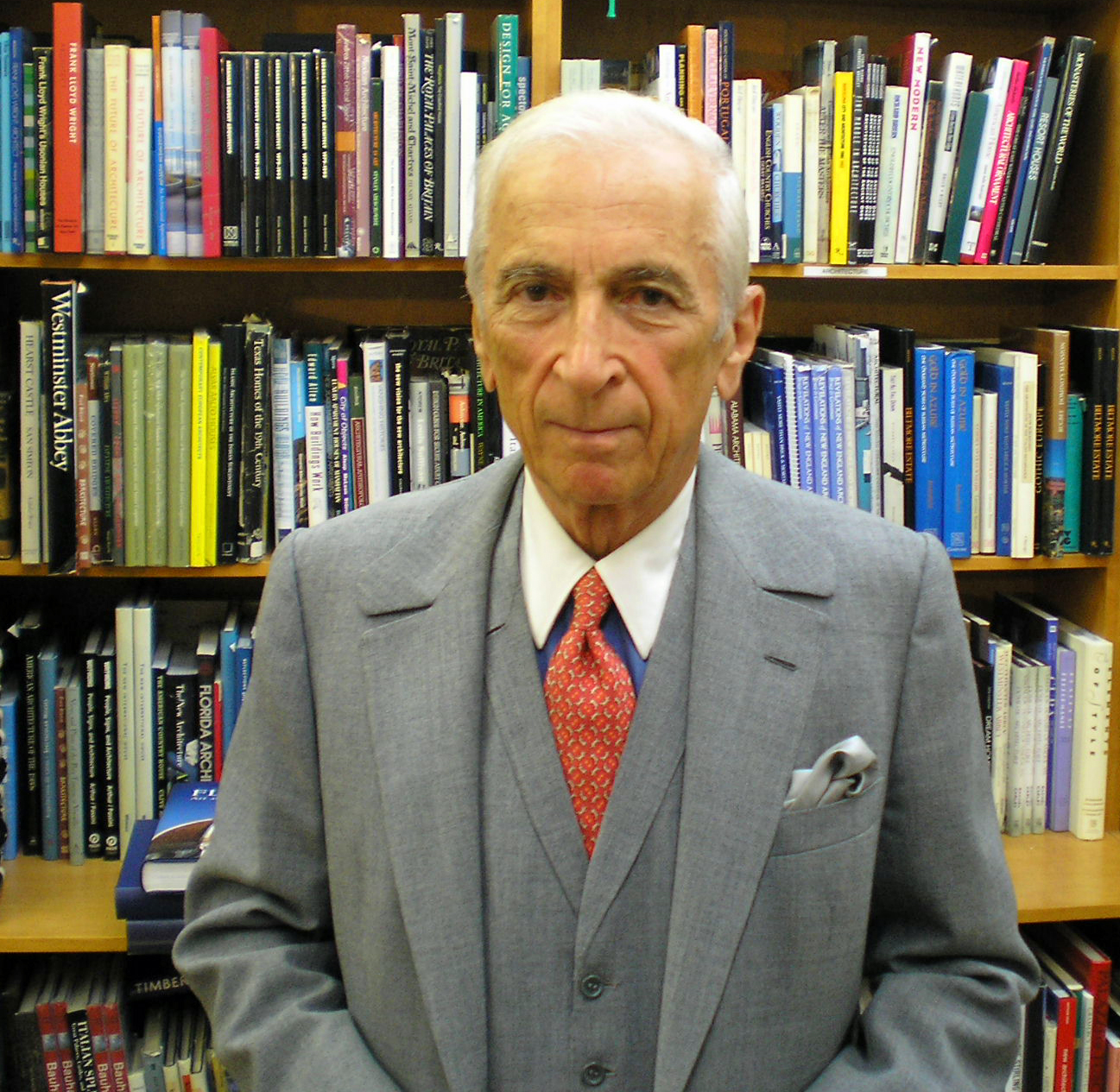
Gay Talese
Author Gay Talese (Wikipedia photo)

Update: “I should not have believed a word he said,” author Gay Talese said after the Washington Post informed him that property records showed that the subject of his latest book,  a Peeping Tom motel owner, did not own the motel from 1980 to 1988. While Talese disavowed his latest book in the Post’s report, he and his publisher defended the book to the New York Times.

By Casey Bukro

One questionable ethical episode after another piles up in the New Yorker’s excerpt of a forthcoming Gay Talese book. In “The Voyeur’s Motel,” a serial Peeping Tom owner of a motel might have witnessed a possible murder. He invites Talese to join him in secretly watching a couple have sex.

By Talese’s own admission, there’s reason to believe some of the story is not true.

It’s possible the New Yorker was swayed by the author’s fame in publishing a titillating account of voyeurism. The Aurora, Colorado, motel owner kept detailed written accounts of what he saw through the ceiling ventilating system grille openings over more than a dozen rooms. Talese writes that he could not verify some details, including the murder. He shrugs it off as poor record-keeping.

Although the motel owner, Gerald Foos, admits to being a voyeur since the age of 9, he considers himself a researcher of human sexual habits. Talese knows the subject as well, having explored it in 1981’s “Thy Neighbor’s Wife.” He’s also an inventor of New Journalism, a style that depends heavily on subjective observation.

“Over the years, as I burrowed deeper into Foos’s story, I found various inconsistencies – mostly about dates – that called his reliability into question,” Talese wrote in the New Yorker excerpt. Most editors might balk at publishing a story on which the writer himself casts doubt upon its reliability. But the New Yorker forged ahead.

At least Talese points to the holes in his story. Under the rules of Old Journalism, that would have qualified “spiking” the piece.

Continue reading The Peeping Tom Chronicles: Gay Talese’s New Journalism Tease

Teaching the Agony of Ethical Dilemmas at DePaul

NBC 5 photo
Carol Marin in center of NBC 5 staff viewing the Laquan McDonald shooting video as it arrived before airing. (NBC 5 photo)

By Casey Bukro

“There is real agony to ethical dilemmas as we strive to be both competitive and excellent,” said Carol Marin, one of Chicago’s most respected journalists, as she launched DePaul University’s Center for Journalism Integrity and Excellence.

Marin will be co-director of the new center with her longtime television producer, Don Moseley. Both recently won Peabody Awards for their coverage of the police shooting of 17-year-old Laquan McDonald, the third Peabody for Marin and the second for Moseley.

Marin and Moseley were among the speakers at a reception celebrating the launch. The new center is dedicated to turning students into investigative reporters who dig hard, but with compassion for those afflicted.

Journalists do not always recognize or honor that delicate balance. In her remarks, Marin cited the McDonald case as an example of how hard it was to strike that balance at NBC-owned WMAQ-Channel 5.

“When the video of that night was finally released by the city under court order, we at NBC 5, from the president of the station all the way down to the working ranks of the newsroom, stood at the assignment desk together and watched it,” Marin said. “Saw the officer fire 16 shots. Saw an explosion of droplets fly out as the bullets hit. Saw Laquan McDonald spiral and fall to the ground.

“The pressure of being first to report is a real pressure,” she said. “But better to be late than be wrong.”

Continue reading Teaching the Agony of Ethical Dilemmas at DePaul

Muzzled Columnist Quits Las Vagas Review-Journal

Las Vegas Review-Journal photo

By Casey Bukro

The proverbial other shoe dropped in the case of Las Vegas casino mogul Sheldon Adelson, who secretly bought the Las Vegas Vegas Review-Journal after days of denial.

The newspaper’s columnist John L. Smith resigned in protest after being told he could not write about Adelson or Steve Wynn, both Vegas casino magnates who unsuccessfully sued Smith for libel and drove him into bankruptcy through legal fees.

The paper’s editor, J. Keith Moyer, argued that it would be a conflict of interest for Smith to write about two of the most powerful men in town, who had sued him, not for his work on the newspaper, but for books he had written about them.

The one mentioning Adelson was titled “Sharks in the Desert.” The other book was titled “Running Scared: The Life and Treacherous Times of Las Vegas Casino King Steve Wynn.” Clearly, neither book offered much sympathy for either power player.

But this is a story about fabulous Las Vegas, a town with an explosive history of gambling, gangsters, show-business megastars, showgirls and entertainment. It’s in a constant state of drama or turmoil. All you have to do is walk through the downtown casinos at 3 a.m. and see the action on the roulette and blackjack tables to know things don’t slow down there.

Continue reading Muzzled Columnist Quits Las Vagas Review-Journal

Boston Globe Fakes Front Page

trumpfake

By Casey Bukro

The Boston Globe added another twist to a bizarre political season by publishing a satirical front page intended to show a future based on presidential candidate Donald Trump’s words and proclamations.

“Deportations to Begin,” was the banner headline of the fake page, dated Sunday, April 9, 2017. “Markets sink as trade war looms,” read one headline. “New libel law targets ‘absolute scum’ in press,” read another.

Let me make it clear right now that this is not an attempt to cover politics. AdviceLine patrols the journalism ethics beat. We let the political writers, columnists, bloviators, commentators, prognosticators and fulminators deal with the uncertainties and comedy of political life.

The Boston Globe’s hypothetical front page did not run on the actual front page of the newspaper, but appeared inside as a front page of the Ideas Section of a Sunday edition of the Globe. It referred to an editorial, “The GOP must stop Trump.”

Reuters called the page a “parody.” CNN said “the faux front page resembles an April Fools’ Day prank by a college newspaper,” although it was nine days too late for that.

More importantly, the Globe was not joking. It was trying to show “Donald Trump’s America,” according to an editor’s note in the lower left-hand corner of the bogus page. “What you read on this page is what might happen if the GOP front-runner can put his ideas into practice, his words into action.” The editorial made the same point.

Continue reading Boston Globe Fakes Front Page