Reality reporting: Margaret Sullivan writes, “As a nation tries to keep hold of what’s real…, we need more of what’s working: rigorous, careful journalism and radical transparency.”
Category Archives: Independence
Media Trauma at Mass Shootings
Media melees at mass shootings seen as a second trauma to grief-stricken communities. Jon Allsop offers five ideas for more respectful media coverage, like good manners.
Journalism Endowment Fund
Fixing journalism with a multibillion dollar endowment fund: Emily Bell writes tech giants could donate billions for a new type of engine for independent journalism. “Now is a good time to abandon the fantasy that the health of journalism is tied to free-market economics.”
Fashion Industry Ethics Policy
Free stuff: Britt Aboutaleb writes about an ethics policy adopted by Racked, in the fashion industry, and its “Swag Project.”
Why Believe Polls?
Why believe polls? asks Margaret Sullivan, who quotes a source saying: “Pollsters and prognosticators — and I would include the media — need to do a better job presenting the uncertainty.”
Publish unverified documents? Consider these ethical questions
By David Craig
BuzzFeed’s decision last week to publish a 35-page dossier containing allegations about President-elect Donald Trump’s relationships with Russia has prompted a great deal of discussion among journalists and journalism organizations about the ethics of the decision.
A number of those weighing in – such Washington Post media columnist Margaret Sullivan and Poynter Institute for Media Studies ethicist Kelly McBride – have argued that BuzzFeed was out of line for publishing unverified information. But some – including Watergate reporter and now CNN analyst Carl Bernstein and Columbia Journalism Review managing editor Vanessa M. Gezari – supported the decision.
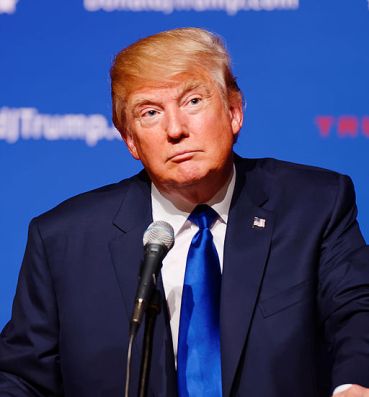
I have been thinking beyond this situation to similar ones that may arise in the future and the ethical questions involved.
Below is a list of questions I’m suggesting to help in thinking through the ethical issues in these situations. I have grouped the questions under the headings of the principles of the Society of Professional Journalists ethics code, as well as other considerations – public relevance and journalistic purpose – that relate to the mission of journalism.
In writing these questions, I’m inspired by some lists that Poynter has done to help journalists in other areas of ethical decision-making such as going off the record and, recently, using Facebook Live. Two co-authors and I also raised some of these issues in a question list in an academic study on data journalism.
I welcome any comments from readers on how these questions might be used or revised.
Questions to consider in deciding on whether and how to publish unverified documents involving public officials:
Public relevance and journalistic purpose
Have the documents been discussed or used in any official settings (e.g. intelligence briefings, committee hearings)? Have they otherwise been discussed on the record by any public officials?
Is there a compelling reason for the public to know about the information in the documents?
Seeking truth and reporting it
Have you or others tried to verify the information? Where verification has been possible for specific pieces of information, has the information proved to be true?
Are the sources of the documents reliable? Why or why not?
Acting independently
Is your decision to publish based on your own independent judgment of the ethics of publishing or on competitive pressures or other considerations?
Minimizing harm
If the documents contain sensitive allegations, what potential harms could result if you release the documents in their entirety or publish those details and they prove to be false or impossible to verify?
If potential harm is a valid concern if you release the documents in their entirety or report details such as these, how could you minimize harm (e.g. redacting some details, summarizing)?
Being accountable and transparent
Are you explaining the process you used in your decision-making including any conflicting ethical considerations and the ethical reasons for making the decision you did?
Are you explaining any efforts you made to verify the content of the documents and the outcome of those efforts?
By thinking through these questions, journalists can uphold the importance of verification while also considering when and how to report on unverified documents there may be a compelling reason for the public to see.
In Trump’s Locker Room Culture, Billy Bush Caught the Fungus
By Casey Bukro
Usually, a journalist at the center of an explosive story would be congratulated. Not Billy Bush.
He’s the one cackling and giggling in the background of the 2005 tape as Donald Trump brags about kissing and groping beautiful women. “I just start kissing them,” Trump says. “It’s like a magnet. I just kiss. I don’t even wait.”
Egged on by Bush, Trump adds the remark about grabbing women by the genitals, using an obscene term, saying, “I can do anything.”
Released on the eve of the 2016 elections, the tape has been played countless times as commentators speculate about its likely impact on Trump’s chances of being elected president as the GOP contender.
No need to wonder about Bush, Trump’s enabler in that episode. NBC suspended him as a co-host of the “Today” show.
Bush was co-anchor of “Access Hollywood” at the time the tape was made. NBCUniveral Television Distribution, with NBC-owned station KNBC, has been solely responsible for producing “Access Hollywood” since 2004.
Bush was a rising star until the video train wreck. It might be a stretch to call him a journalist.
Television personalities often consider themselves entertainers or performers who want to put on a show. Brian Williams, for example, gave himself credit for doing things he did not do, making his reports more exciting until NBC learned of his fabrications, then suspended and reassigned him. Makes you wonder if these guys ever heard of journalism ethics.
William Hall “Billy” Bush is the nephew of former President George H.W. Bush and cousin of former President George W. Bush and former Florida Gov. John Ellis “Jeb” Bush.
The website MediaShift says Bush’s story “should serve as a cautionary tale for our modern age of journalism, where social media and reality television have oblitered the line between reporting the news and becoming part of it.”
Continue reading In Trump’s Locker Room Culture, Billy Bush Caught the Fungus
Journalists Helping Police: Is It Unethical?

By Casey Bukro
People sometimes think police and reporters are alike. Both chase criminals and other kinds of crooks to protect the public.
But they’re not the same, and a case involving a news helicopter in Boulder, Colorado, made that clear.
Boulder police were chasing a shooting suspect when they asked reporters aboard a helicopter shared by Denver TV stations for an airborne lift at the scene to search for the suspect.
A police officer boarded the copter. From his aerial vantage point, the officer was able to nab a suspect in cooperation with a SWAT team on the ground.
A police spokeswoman called the assist instrumental in the arrest, according to the Boulder Daily Camera, and noted that the news team got direct access to the police action.
Boulder police requested the ride from reporters after failing to get assistance from Denver Police or the Federal Bureau of Investigation.
A win-win, or an ethics foul?
Continue reading Journalists Helping Police: Is It Unethical?
Roger Ailes’ Eye for News: Lawsuit Draws Look at Fox News Legacy
By Casey Bukro
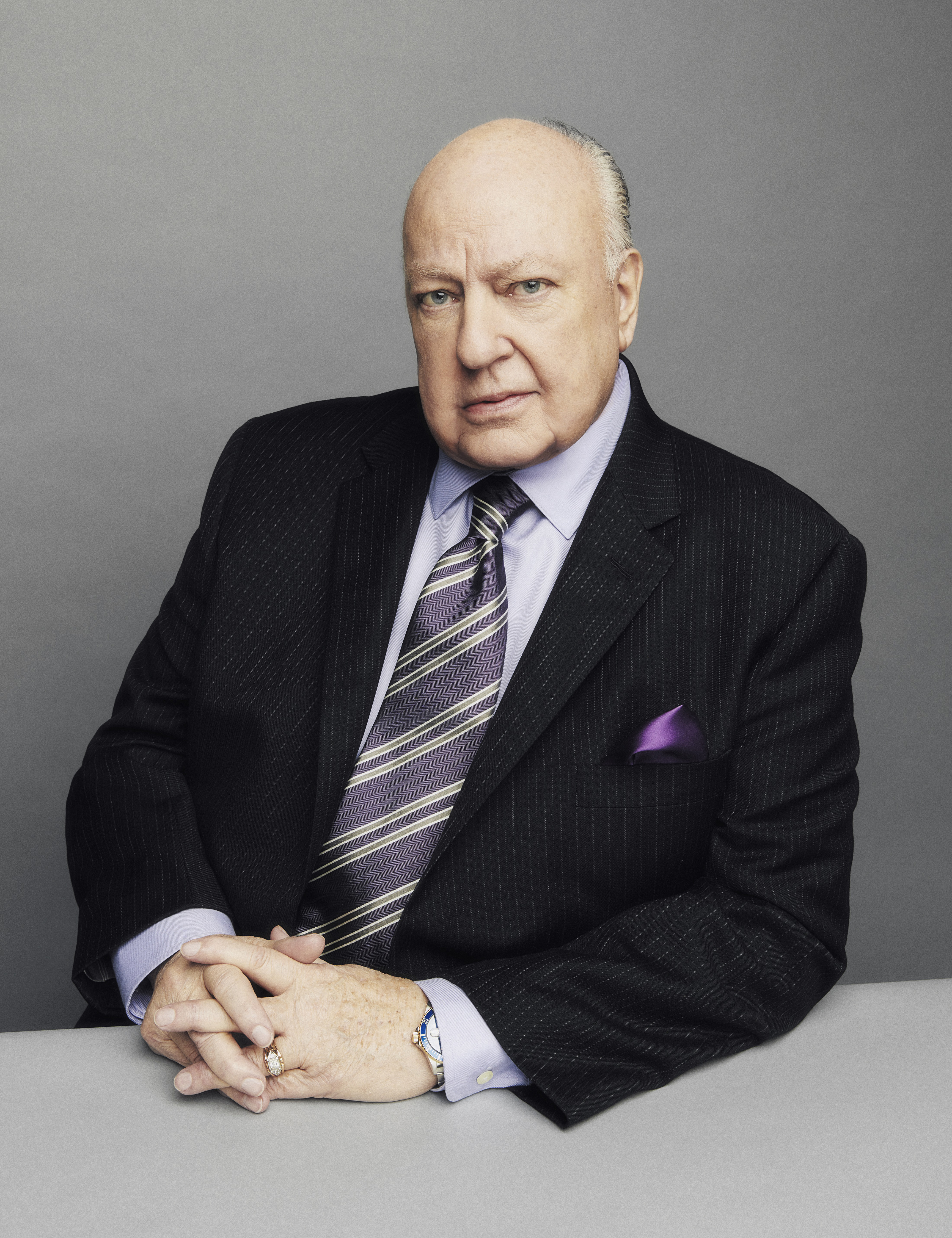
As chairman of Fox News, Roger Ailes peddled sex appeal.
News anchors often were chosen for their looks: young, pretty, blonde, leggy and shapely. That’s the way Ailes liked them. A lot. Maybe too much.
It’s a formula that led to his downfall, apparently because he could not resist temptation or the raptures of the casting couch. Ailes resigned amid sexual harassment allegations after a 20-year reign as head of Fox News, where he devised a highly successful broadcast formula of vitriolic partisan right-wing commentary.
Ailes’s own alleged comments are part of a lawsuit against him by former Fox News Anchor Gretchen Carlson.
“I think you and I should have had a sexual relationship a long time ago,” Ailes supposedly “>told Carlson. Carlson charges that Ailes sabotaged her career in retaliation for rebuffing his sexual advances and complaining about a hostile work environment. In a statement, Ailes contended her contract was not renewed due to low ratings and her lawsuit was her retaliation for the dismissal. Her lawyer claims the suit was considered even before the firing.
Carlson’s lawsuit prompted 25 women to come forward with what they describe as similar harassment claims against Ailes over five decades.
The Washington Post reported that interviews with four of the women “portray the 76-year-old television powerhouse as a man who could be routinely crude and inappropriate, ogling young women, commenting about their breasts and legs, and fostering a macho, insensitive culture.” One women accused Ailes of groping her. Ailes’s lawyer said the accusations are false.
Continue reading Roger Ailes’ Eye for News: Lawsuit Draws Look at Fox News Legacy
Media Rules of Conduct: A Call to Arms
By Casey Bukro
An 18th-century Pirate Code of Conduct was stern but direct: Anyone found stealing from another crewman would have his ears and nose slit open and be set ashore.
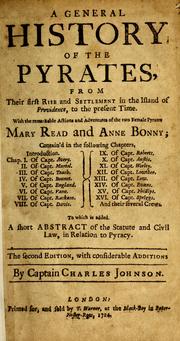
The penalty for bringing a woman aboard in disguise was death.
Anyone being lazy or failing to clean his weapons would lose his share of booty.
The punishment for hitting a man was 40 lashes on the bare back.
These are among the rules Bartholomew “Black Bart” Roberts and his crews are said to have adopted in 1722 to keep the peace among his bloodthirsty men and reward good conduct. There are many variations on buccaneer codes, however.
Even 300 years later, rewarding or defining good conduct is the purpose of codes of journalism ethics that continue to emerge.
A new Radio Television Digital News Association Canada code takes effect July 1, replacing a version adopted in 2011.
“This Code of Ethics is based on more than a century of journalistic experience and represents our membership’s guiding principles,” states a preamble that welcomes adoption by all practicing journalists.
 Ethics AdviceLine for Journalists