Muzzled scientists, stifled media: New restrictions on speaking directly to government scientists about the coronavirus are dangerous, writes Margaret Sullivan.
“We’re now at a moment when experts must be free to share their knowledge and front-line workers must be free to tell their stories without being muzzled or threatened — and certainly without being fired,” she writes. Lives depend on it.
Verify Social Media Virus News: People spread hoaxes thinking they’re sharing valuable information with friends and family, writes Jessica Roy. Verify social media accounts, sites and the information, she writes.
Masking the coronavirus: Seeing is believing, writes Al Tompkins, but “hospitals are blocking journalists from documenting what it’s like inside their walls….”
Imagery from inside hospitals is needed, though “no reasonable person would suggest journalists should sneak into hospitals to grab photos.”
Pandemic journalism: “My hope is that journalism, as an industry, will stop viewing itself as an external body meant to serve the public and instead begin to see itself as a member of the public,” writes Alexandra Neason.
Better newspaper business model: “The time is now to make a painful but necessary shift,” writes Ben Smith. “Abandon most for-profit local newspapers, whose business model no longer works, and move as fast as possible to a national network of nimble new online newsrooms” to rescue journalists.
The coronavirus batted the 2020 major league baseball season into limbo, but stories about baseball never get old.
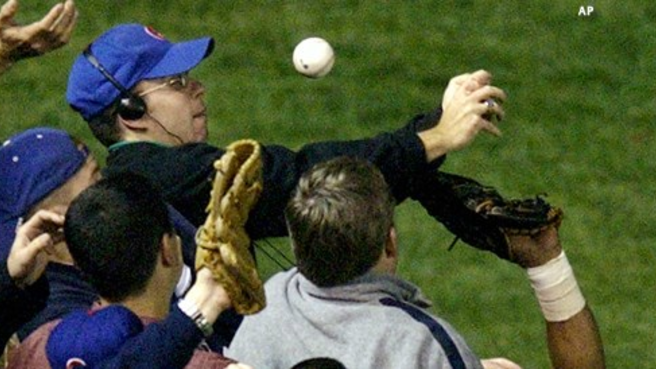
Here’s one about the Chicago Cubs, a seriously maligned baseball fan and journalism ethics. Like many classic tales, it’s told, retold and people argue about the details in their favorite watering holes. Sometimes the story gets better each time it’s told.
It boils down to this: Was it ethical to name a baseball fan who deflected a foul ball, possibly costing the Chicago Cubs a trip to the World Series? This question has become a staple in some journalism ethics classes. I was reminded of that when a student named Maddie contacted the Ethics AdviceLine for Journalists, asking if news organizations violated the Society of Professional Journalists code of ethics by naming that hapless fan.
“Every American has a role to play” in combatting the coronavirus menace, says the president.
That includes journalists, although President Trump does not seem to recognize that. He excoriates them every chance he gets.
NBC’s Peter Alexander asked him at a news conference: “What do you say to Americans who are watching you right now who are scared?” The president answered: “I say that you are a terrible reporter, that’s what I say. It’s a very nasty question. It’s a very bad signal that you’re putting out to the American people.”
Actually, it was a soft-ball question that offered the president a chance to appear presidential and to comfort a nation under attack by a viral pestilence. The president’s drumbeat of negativism is not helpful.
On Sunday, President lashed out against media again, tweeting: “I watch and listen to the Fake News, CNN, MSDNC, ABC, NBC, CBS, some of FOX (desperately & foolishly pleading to be politically correct), the @nytimes, & the @washingtonpost, and all I see is hatred of me at any cost. Don’t they understand that they are destroying themselves?”
Actually, this attack dog mentality against the media appears to be destroying his credibility at a time of extreme urgency, when public trust in credible sources of information is vital to public safety.

 Ethics AdviceLine for Journalists